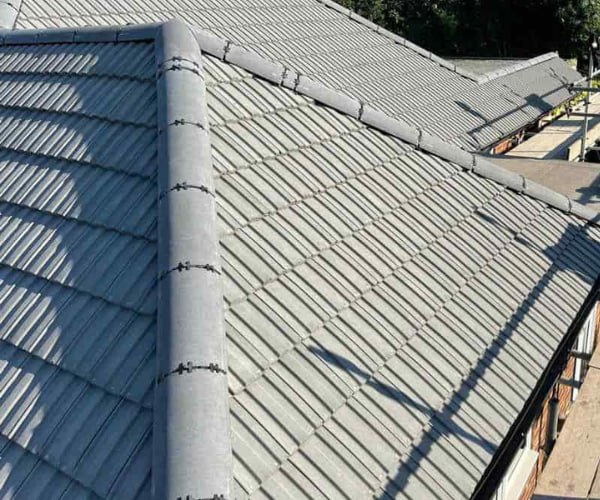
Why Missing Roof Tiles Should Never Be Left Unrepaired
A missing roof tile can appear to be a relatively minor defect, particularly when the rest of the roof looks intact. However, roof coverings are designed to work as a complete system, with individual tiles overlapping and directing rainwater safely down the roof. When even one tile is lost, an area that was previously protected can become more exposed to wind and moisture.
For homeowners in Kempston, Bedfordshire, dealing with missing roof tiles promptly can help prevent a small, localised defect from developing into a more extensive roofing problem. The important step is not simply replacing the visible tile, but also establishing why it became displaced and checking whether the surrounding roof remains secure.
Why Is It Important to Repair Missing Roof Tiles Promptly?
Roof tiles form the outer weather-resistant covering of a pitched roof. Their arrangement helps shed rainwater while protecting the layers and structure beneath from direct exposure.
Once a tile is missing, the normal pattern of protection is interrupted. The precise effect depends on the position of the missing tile, the construction of the roof and the condition of the materials underneath.
A missing tile does not necessarily mean that water will immediately appear inside the property. However, leaving the defect unresolved increases the opportunity for weather to affect a part of the roof that should normally remain covered.
A Missing Tile Exposes the Roof Beneath
The tiles visible from outside are only one part of a roof.
Beneath them are supporting components that are not intended to act as the primary weatherproof surface indefinitely. When a tile disappears, these materials can become more directly exposed to rainfall and changing weather conditions.
The affected area may initially be small, but repeated exposure can gradually increase the likelihood of deterioration.
Replacing the missing tile restores the intended outer covering and reduces unnecessary exposure of the roof beneath.
Water Does Not Always Enter Directly Below the Missing Tile
One reason missing tiles can be underestimated is that homeowners may inspect the ceiling beneath the affected area and see no obvious dampness.
Roof leaks do not always behave so predictably.
Water entering through a defect can travel along roofing materials or structural components before becoming visible internally. The damp patch that eventually appears may therefore be some distance from the original entry point.
This is why the absence of an obvious internal leak should not be taken as evidence that a missing tile can safely be ignored.
Wind-Driven Rain Can Find Vulnerable Areas
Rain does not always fall vertically onto a roof.
During windy conditions, water can be driven beneath exposed sections and into gaps that would normally be protected by overlapping tiles. A missing tile creates an interruption in that protective arrangement.
The location and pitch of the roof influence how exposed the area becomes, but an open section can provide moisture with opportunities that would not exist on an intact covering.
Restoring the missing tile helps reinstate the roof’s normal defence against these conditions.
One Missing Tile Can Affect Surrounding Tiles
A displaced tile should not always be viewed as an isolated component.
Neighbouring tiles depend on correct positioning, overlap and secure fixing. When one tile has moved or disappeared, adjacent tiles may also have been disturbed.
For example, the same weather conditions that displaced one tile may have loosened others nearby.
Professional roof inspection can therefore be valuable even when only a single obvious gap is visible from ground level. Checking the surrounding section helps establish whether the repair genuinely involves one tile or a slightly wider localised area.
The Reason the Tile Became Displaced Matters
Replacing a missing tile is important, but understanding why it came loose is equally valuable.
Tiles can become displaced for several reasons, including deterioration of fixings, movement within the surrounding covering or exposure to strong weather conditions. In some cases, an earlier defect or poor repair may also have left the section more vulnerable.
If the underlying cause remains unresolved, simply inserting another tile may not provide a dependable repair.
A professional assessment considers both the visible symptom and the condition responsible for it.
Small Openings Can Lead to Larger Roofing Problems
Roof defects often become more complicated when they are left exposed to repeated weather.
Moisture reaching areas beneath the tiles can affect surrounding materials over time. A problem that initially requires attention to a small section may therefore involve more components if deterioration is allowed to continue.
Early repair is valuable because it focuses attention on the defect while it is still localised wherever possible.
This is one of the strongest reasons not to wait for visible internal damage before arranging an inspection.
Battens and Supporting Components May Need Checking
Tiles are supported and secured as part of a wider roofing system.
If a tile has become displaced, the condition of the immediate supporting area should be considered. Installing a replacement onto unsuitable or deteriorated support may address the appearance without resolving the underlying weakness.
A professional repair allows the exposed area to be examined while it is accessible.
Where the surrounding components remain sound, the work may remain straightforward. Where deterioration is identified, it can be addressed as part of a more complete repair.
Underlay Is Not a Permanent Substitute for Roof Tiles
Some roofs have an underlay beneath the outer covering, and homeowners may assume this means a missing tile is not particularly urgent.
Underlay can provide an additional layer of protection, but it should not be treated as a replacement for an intact roof covering.
Its condition can vary depending on the age and construction of the roof. If it is repeatedly exposed to moisture through an unresolved defect, relying on it indefinitely is not an appropriate solution.
The outer tiles should remain the principal surface responsible for shedding the majority of rainfall.
Internal Signs May Appear Later
The effects of a missing tile are not always immediately obvious inside a property.
Potential signs associated with moisture entering through a roof can include:
- Damp patches on ceilings
- Discolouration
- Moisture within the roof space
- Damp roof timbers
- Changes around the upper sections of walls
- Musty conditions in affected areas
By the time these symptoms become noticeable, water may already have been entering for some time.
Repairing visible external defects promptly is therefore preferable to waiting for internal evidence of a leak.
Missing Tiles Can Be Difficult to Assess From Ground Level
A roof may look relatively straightforward when viewed from the garden or driveway, but ground-level inspection provides only limited information.
The obvious gap may be visible, while smaller defects surrounding it remain difficult to identify. Cracked tiles, slightly displaced neighbouring tiles or problems with fixings may not be apparent without closer inspection.
Professional assessment provides a clearer understanding of the affected section and helps avoid making decisions based solely on what can be seen from below.
Matching the Replacement Tile Is Important
Replacing a roof tile involves more than simply filling an empty space with a similarly sized piece of material.
The replacement needs to be suitable for the existing roof covering and sit correctly within the established arrangement. Its profile and positioning need to work with neighbouring tiles so that the intended overlaps are maintained.
A poorly fitting replacement can leave gaps or interfere with the surrounding covering.
Professional repair aims to restore the section so that it functions as part of the existing roof rather than simply covering the visible opening.
Previous Repairs Around the Area Should Be Considered
If tiles have previously been repaired or replaced within the same section, that history can provide useful information.
Repeated displacement may indicate that the issue extends beyond an individual tile. There could be a weakness in the local fixing arrangement, deterioration within the supporting components or another recurring cause.
Where the same area continues to require attention, investigating the reason is more useful than repeatedly treating each visible symptom in isolation.
This root-cause approach can lead to a more dependable repair.
Prompt Attention Can Help Keep Repairs Localised
One of the advantages of dealing with a missing tile early is the possibility of containing the problem.
Where the surrounding roof remains in sound condition, attention may be limited to the affected section. Allowing weather to repeatedly reach exposed materials can increase the amount of deterioration that eventually needs addressing.
This does not mean every missing tile will lead to widespread damage. It means that postponing an obvious defect provides no benefit to the roof.
Timely inspection allows the condition to be established before assumptions are made about the extent of the work required.
Not Every Missing Tile Means the Roof Needs Replacing
Discovering a missing tile can understandably raise concerns about the overall condition of the roof.
However, a localised defect does not automatically indicate that complete roof replacement is required.
If the wider covering and supporting structure remain serviceable, an appropriate local repair may be all that is necessary. Conversely, where inspection identifies broader deterioration, the recommended work should reflect the actual condition found.
Professional assessment is valuable because it allows the response to remain proportionate rather than assuming either that the problem is insignificant or that extensive work is automatically needed.
Why Professional Roof Repair Is Worthwhile
A dependable roof repair should deal with more than appearance.
The missing tile needs to be replaced correctly, but the surrounding covering, support and likely cause of displacement should also be considered. This helps establish whether the defect is genuinely isolated.
Professional attention is particularly useful when:
- More than one tile appears loose or displaced
- The cause of the damage is unclear
- The same section has required previous repairs
- Signs of moisture are visible internally
- Surrounding tiles appear cracked or uneven
- The roof is difficult to assess safely from ground level
The objective should always be to restore the affected section appropriately while identifying any connected problem that also requires attention.
Roof Tile Repairs in Kempston, Bedfordshire
At LPO Roofing Kempston, we understand the importance of identifying the cause of roofing defects rather than focusing only on what is immediately visible.
When a roof tile is missing, the affected section can be assessed to determine whether the problem is isolated and whether surrounding tiles or supporting components also require attention. This provides a more complete basis for carrying out an appropriate repair.
For homeowners in Kempston, Bedfordshire, dealing with missing tiles promptly can help maintain the integrity of the roof covering and prevent avoidable exposure of the materials beneath.
Conclusion
Missing roof tiles should never be left unrepaired simply because the roof is not yet showing obvious signs of an internal leak. A missing tile interrupts the protective covering, exposes underlying materials and can allow wind-driven rain to reach areas that would normally remain sheltered.
The most effective approach is to identify why the tile became displaced, inspect the surrounding section and complete an appropriate repair before continued exposure creates additional problems.
If you have noticed a missing or displaced roof tile at your property in Kempston, Bedfordshire, contact LPO Roofing Kempston. We can assess the affected area, identify the cause and carry out the appropriate roof repair to restore the integrity of the covering.
Call us on: 01234 676 690
Click here to find out more about LPO Roofing Kempston
Click here to complete our contact form and see how we can help with your roofing needs.